
Event Documentation and Reporting
Reporting can help victims feel heard, and can help the community develop a clearer idea of what, where and how often incidents are occurring.
Documenting
Documenting racist incidents means recording them in some way. This could mean taking video footage or photographs of an incident, hate graffiti, or hate propaganda you come across. This could also mean noting information like names, phone numbers, license plates, physical descriptions and a brief factual description of what happened.
Recordings can be shared through traditional or social media (make sure you get the permission of the victim first before sharing any footage of an incident!) and/or passed on as evidence as part of an institutional, legal, criminal report as requested by the victim.


Reporting
Reporting racist incidents means documenting the incident in some way, which may or may not lead to taking further action. There are different avenues for reporting, including criminal or legal (e.g. police, the BC Human Rights Commission), institutional (e.g. schools, libraries, workplaces etc. with their own internal reporting process), or community-centered (e.g. restorative justice, community-led online reporting tools, traditional or social media).
Most aforementioned institutions and organizations have different mandates and areas of expertise, for example, BC Human Rights Commission takes on cases outlined in the BC Human Rights Code primarily relating to discrimination in employment, wages, access to services, tenancy, etc.
Legal Resources
Offers support if people proceed to file a complaint and need legal advice or representation in court.
Phone: 1-866-577-2525 / 604-408-2172 (Greater Vancouver)
Free confidential legal advice for anyone who feels they have been discriminated against, harassed, or faced violence because they are Muslim or are perceived to be Muslim.
Phone: 604-343-3828
Provides free, not-for-profit, multilingual legal advice and information clinics for low income British Columbians who identify as South Asian and equity-seeking groups.
Phone: 1-877-762-6664 or 604-878-7400
While these resources aren’t specific to racism or discrimination, this local program increases people’s access to justice by providing free legal information, advice, and advocacy services to those facing disputes or legal issues.
Phone: 604-982-3305
Email: nscr@nscr.ca


Institutional Reporting
BC’s Human Rights Code protects the rights of British Columbians to equal treatment when it comes to employment, housing, services or publications. If someone is facing racially motivated discrimination or hate, they may want to explore legal reporting options. Please note BC’s Office of the Human Rights Commissioner identifies and recommends actions to address systemic inequality, discrimination and injustice in BC—it does not accept individual complaints or offer legal advice.
People whose rights have been violated and wish to file a complaint, or have questions about whether they can file a complaint, can contact the BC Human Rights Tribunal.
Phone: (604) 775-2000 or
Toll free (in B.C.): 1 888 440-8844
Email: BCHumanRightsTribunal@ gov.bc.ca
Offers free assistance and legal services to people who need help with filing a BC Human Rights Tribunal complaint.
Phone: 604-622-1100
Toll Free: 1-855-685-6222
Provides advice and assistance to advocacy groups throughout British Columbia in social justice work including human rights complaints, judicial reviews, litigation, negotiation, and public education.
Phone: 604-687-3063
Community-Centered Reporting
People may want to report an incident somewhere but not be comfortable going through criminal or legal channels. Speak with the victim to see if they would like to make a report, what channel they would like to use, and offer to support them through the process if you can. Here are some community-centred reporting options:
If someone has experienced racial discrimination or violence (verbal, emotional, or physical), and there is a willingness for both parties to engage, they can choose to seek restorative justice mediation instead of criminal or legal resolutions to address the harm. Restorative justice is a peaceful approach to crime and conflict that focuses on dialogue, reparation, and healing. NSRJ accepts both police and community referrals relating to incidents of racism and hate in the jurisdictions of North Vancouver, West Vancouver, Bowen Island and the District of Squamish.
For more information, please contact info@nsrj.ca
The Chinese Canadian National Council and several organizations have partnered to make this online form for those who have faced discrimination, violence and racism as a result of COVID-19. Individual information is kept confidential; the data is used to better support anti-racism advocacy work.
The Vancouver Asian Film Festival Society and Project 1907 provide an anonymous reporting platform for Canadians of Asian ancestry experiencing anti-Asian hate incidents. Their goal is to consolidate data and resources and push for accountability and change.
People who have experienced or witnessed racism during Covid can report it using this Anti-Racism Incident Reporting Form (available in English, French, Traditional Chinese, Simplified Chinese, Japanese, Korean, Vietnamese and Tagalog) or by text messaging 587-507-3838.
Developed by ACT2endracism/Action! Chinese Canadians Together (ACCT).
This online tool offers a safe, anonymous way to report incidents for any Indigenous people who have experienced racism in the healthcare system.

Reporting Incidents Occurring in Community Spaces
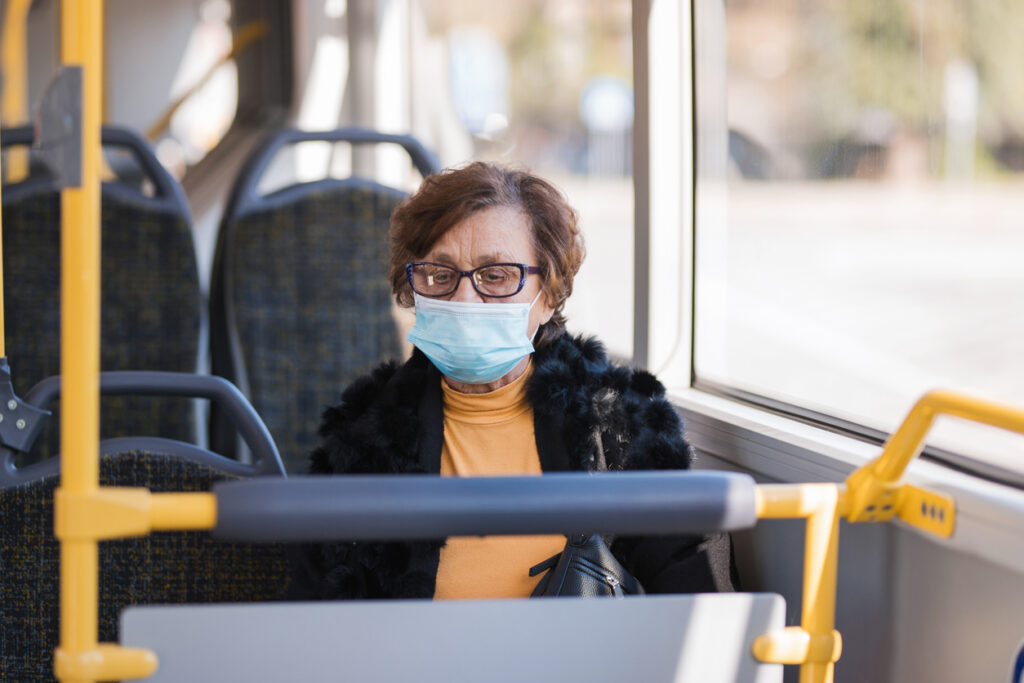
Racism can also happen in privately or publicly owned and operated community spaces including businesses and community services such as libraries, recreation centres and transit. If an incident occurs in one of these or a similar community space reporting directly to the operators of the space is an option the victim can consider. While many of these places do not have formal structures or processes set up for reporting complaints of racist incidents, it is important to know if an incident, whether as the result of an interaction with an employee or another member of the public, it can be reported to management or customer service.
If a racist incident occurs on a bus, skytrain, seabus or in a Translink terminal the Metro Vancouver Transit Police are available to respond. In the event of an emergency on transit called 911 directly if there is an immediate threat to your safety or the safety other others. For an immediate response in a non-emergency situation
Phone: 604-515-8300 or
Text: 87-77-77 for assistance.
If your complaint is about a racist incident involving a Transit Police Officer you can contact the Professional Standards Unit directly.
Phone: 604-516-7435 or
contact the Office of the Police Complaint Commissioner (OPCC) as noted above under Criminal and Legal Reporting.
If your complaint is about a racist incident involving a transit employee such as a Bus Operator, SkyTrain Attendant or Transit Security officer, (ie: not a police officer) Translink has an online feedback form where incidents can be reported.
Reporting Online Hate Speech, Propaganda and Material
Racist and hateful comments and videos on the internet are very common, and very hard to prosecute. You can report something as a hate crime, though this is difficult to do unless there is a direct threat to the safety of a person or people. You do have options for how to report racism and hate online. Online racism and hate may also be dealt with by human rights legislation or by the policies of social media platforms, web hosting services, and internet service providers.
- Report it to the website administrator —most websites have rules known as ‘acceptable use policies’ that set out what cannot be put on their website and often do not allow comments, videos and photos that offend or hurt people and social media sites may have simple ways for you to report about a page or video, look for a “report this page” button that you can click.
- Report it to law enforcement—If you see direct threats of violence on the Internet, you can report it to the police. Discriminatory acts such as racist, transphobic, or sexist remarks (that may or may not be criminal in nature) may also be dealt with by human rights legislation.
- If you feel safe enough to directly respond yourself, check out Right to Be’s “Counterspeech Tactics for Responding to Online Harassment” tips

Providing Care
Racist incidents do not just cause harm in the moment; they can cause long- lasting physical, emotional, and psychological harm to everyone involved.